


Free, nationwide support for people affected by crime and traumatic events.
We are here for you, 24/7.


October 27, 2026
News
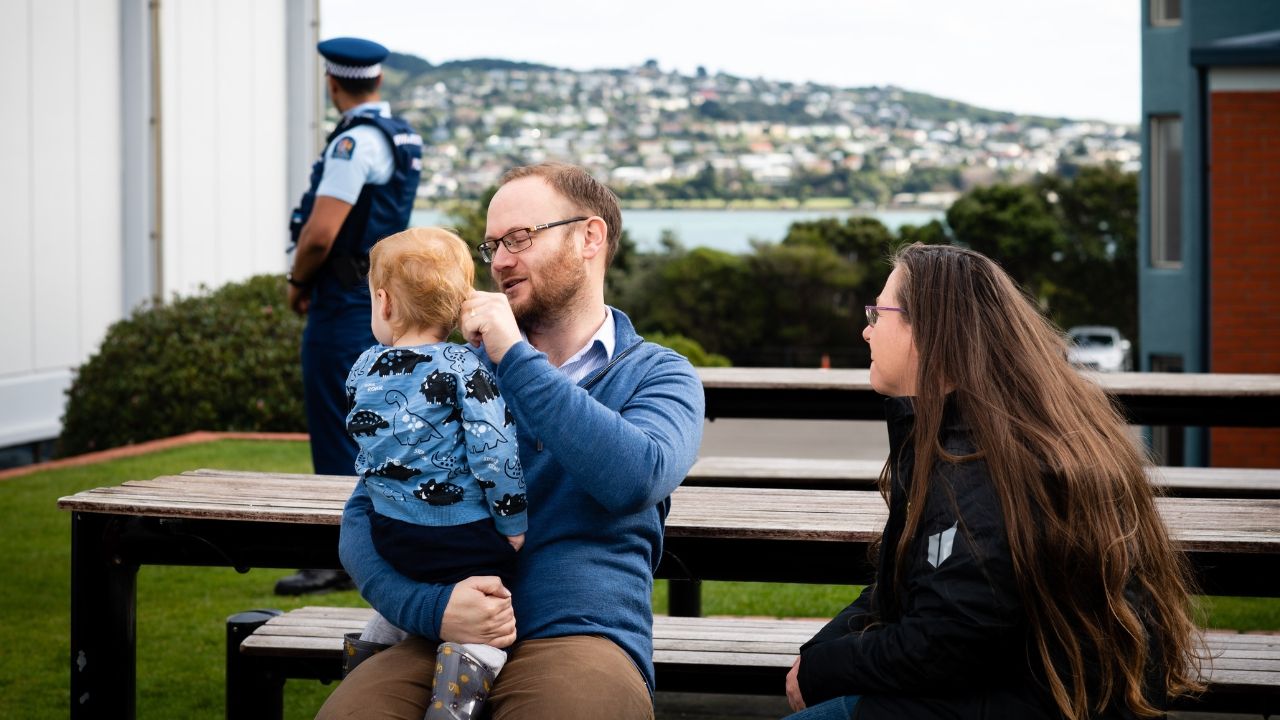

After a crime or traumatic event, there can be a moment where the Police leave and the activity around you starts to quieten.
But for you and your whānau, it may feel like everything is only just beginning.
There may be questions about what has happened, what happens next, where you will stay, who you need to talk to, or simply how you are going to get through the next few hours.
You don’t have to have all the answers, and you don’t have to go it alone.
There is no 'right' way to respond
Manaaki Tāngata | Victim Support is there to help you navigate what happens next, with emotional support, practical help, and information about the processes that may follow.
Your Support Worker starts with something simple: listening to you and understanding what you need.
Experiencing a crime or sudden death can turn life upside down. Things that normally feel straightforward can suddenly feel difficult or unfamiliar.
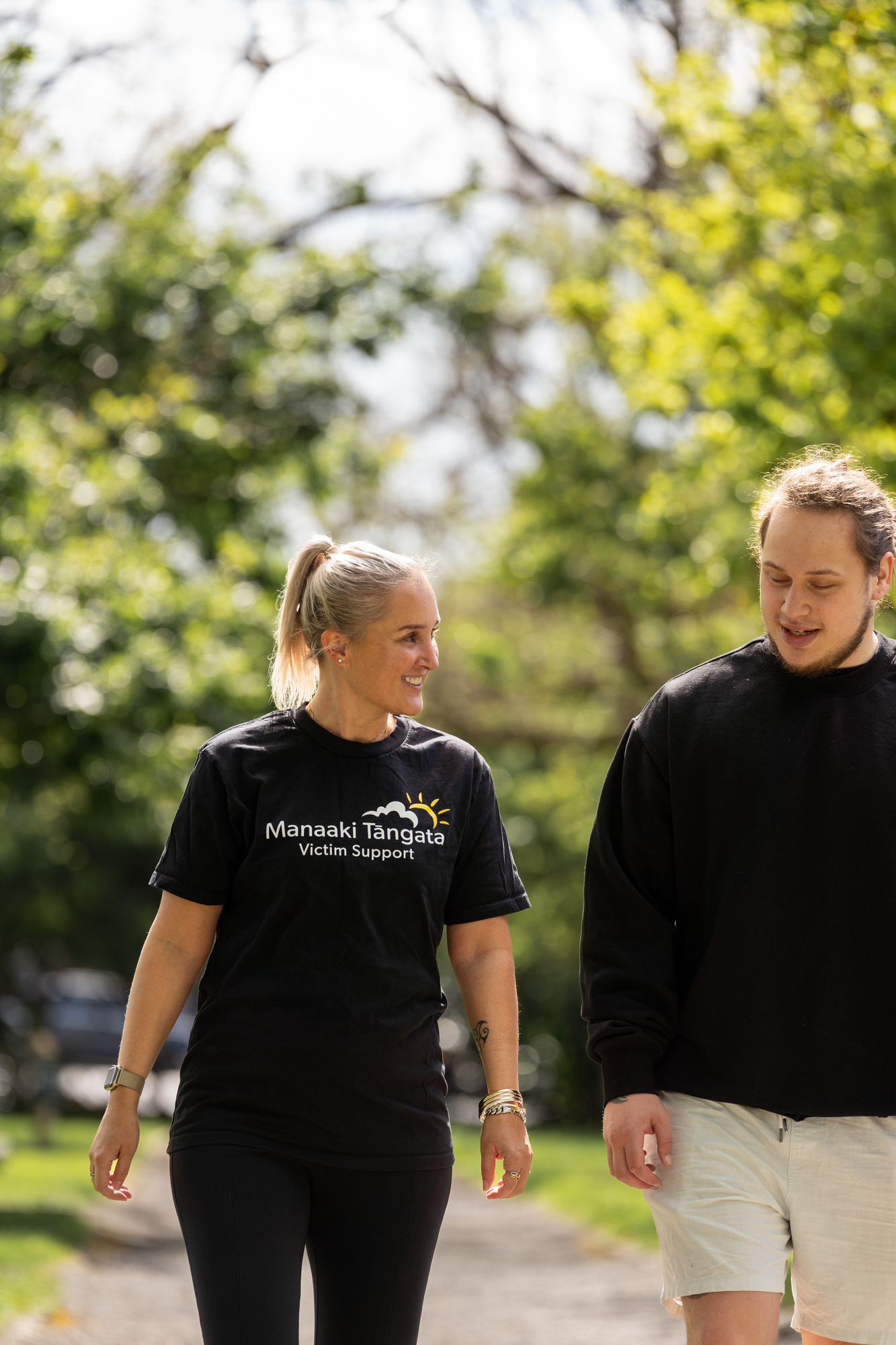
You may not know what information you need, who to contact, or what decisions you need to make.
Your Support Worker can help explain the next steps and the choices you may need to make, in language you can understand.
Some people want to know everything right away.
For others, knowing it all at once may feel overwhelming.
There is no ‘right’ way to respond.
Support can be about making sure you have enough information to understand what is happening, while giving you space to take things at your own pace.
Everyone responds differently to a crime or traumatic event.
You might want information straight away, need someone to listen, or have an immediate concern that needs sorting out. You might want to understand what Police are doing or what happens next. Or you may not know what you need yet.
Your Support Worker can help you work that out.
Your family, whānau and friends may be an important part of your support network, but they may also be trying to understand what has happened and what comes next.
Your Support Worker is someone independent for you to turn to, outside of your family and Police.
With experience of the processes you’re going through, they can help you and the people around you understand what’s happening and what comes next.
The impact of a crime isn’t only emotional.
There may be immediate, practical things that need to be worked out.
If your home is a crime scene, for example, you may be unable to return to it. You might need somewhere to stay, help telling your boss or your children what has happened, or be trying to work out what happens next for you and your whānau.
Your Support Worker can help you identify those concerns and explore options with you, one thing at a time. What that looks like will depend on your circumstances and what you want.
Sometimes, the immediate priority is simply working out what you need to get through today.
A crime or sudden death can bring you into contact with processes you have never encountered before.

Police may be investigating what happened. There may be a court process. In the case of a sudden or unexpected death, there may be a coronial process to establish how and why the person died.
There can be unfamiliar terms, new people to deal with and information that is difficult to take in.
Your Support Worker can help explain the next steps and the choices you may need to make, in language you can understand.
You do not have to take in everything at once.
The support is there to help you understand what is happening now, what might happen next, and what choices are available to you.
The police leaving does not mean that you are expected to simply carry on.
There may still be a long road ahead, and everyone’s experience will be different.
For Melissa, GM Service Delivery, being alongside people during that journey also means offering hope.
“I’ve seen people go through this. I’ve seen a number of people go through this, and I can tell you that people can get through it, and people do get through it.”
Sometimes support means having someone who can explain what is happening.
Sometimes it means helping solve an immediate practical problem.
Sometimes it means listening when you don’t know what to say yourself.
And sometimes it means helping you find some of the choice and control that may have been taken away from you.
We’re here 24/7 to help people cope after a crime or traumatic event.
You do not need to be referred to us by Police. If you need us, call us.
If we are not the right agency to support you, we can direct you to other resources and community or iwi agencies.
You're not alone: 0800 842 846.


